Order decides this game, and the player owns none of it
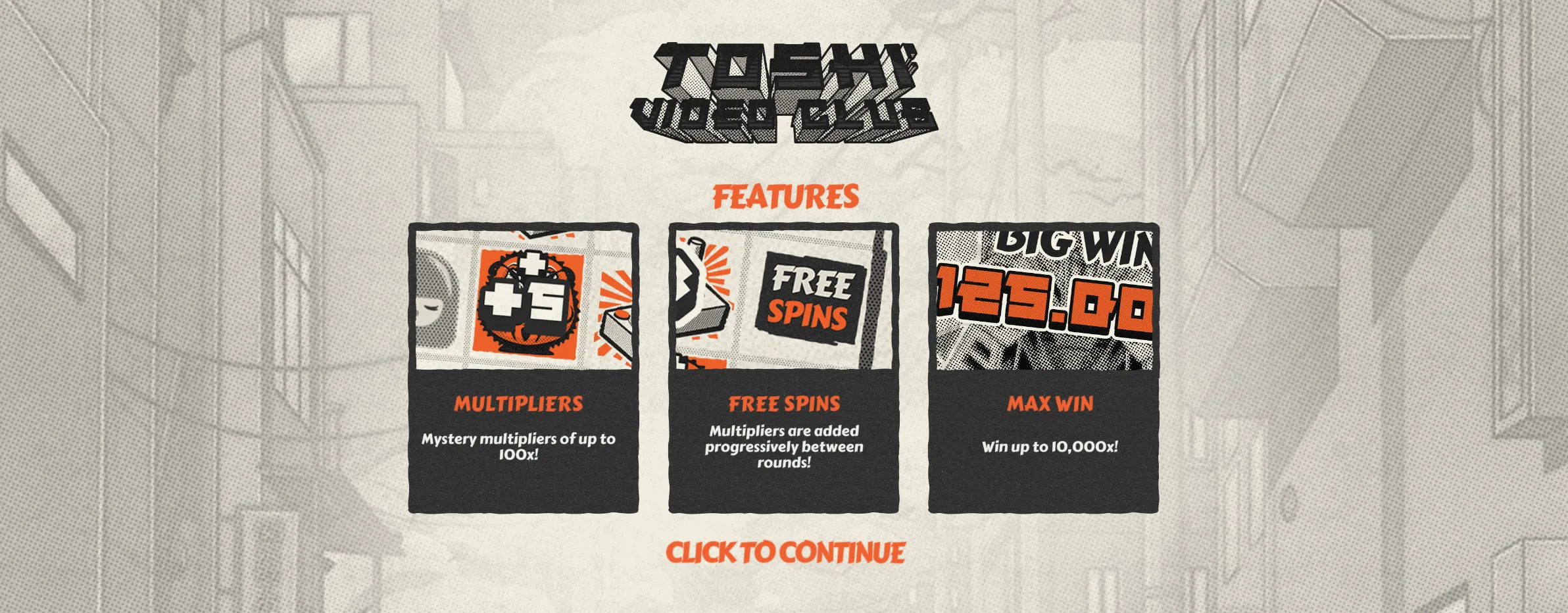
The paytable in Toshi Video Club is flat enough that the symbols hardly decide anything. The figure in the logo does, and the figure is decided by order: the column order in which Darumas on one board apply, and the spin order in which they land across ten free spins. A +100 Big Daruma and a ×5 Green make 505 in one order and 105 in the other. That rule is the one idea here with a character of its own, and it is a good one. The player controls neither kind of order, the buy changes neither, and ten spins leave the second one very little room. My whole reading of the game follows from that.
Everything around the rule is Hacksaw kit. Stack Em runs the same shape of free-spins multiplier, one figure that never resets, fed by a symbol that adds to it or multiplies it by 2× to 5×. Cursed Seas has the wild that pays only for five of a kind and multipliers that open over a base-game win. Dark Summoning has the fixed-line cascade frame with a global multiplier in its bonus. Toshi Video Club combines a piece of each and puts the column-order rule on top. A reader who knows those three games will recognise every part of this one except that rule, which is why I file it as familiar rather than distinctive.
The paytable only supplies the number the figure multiplies
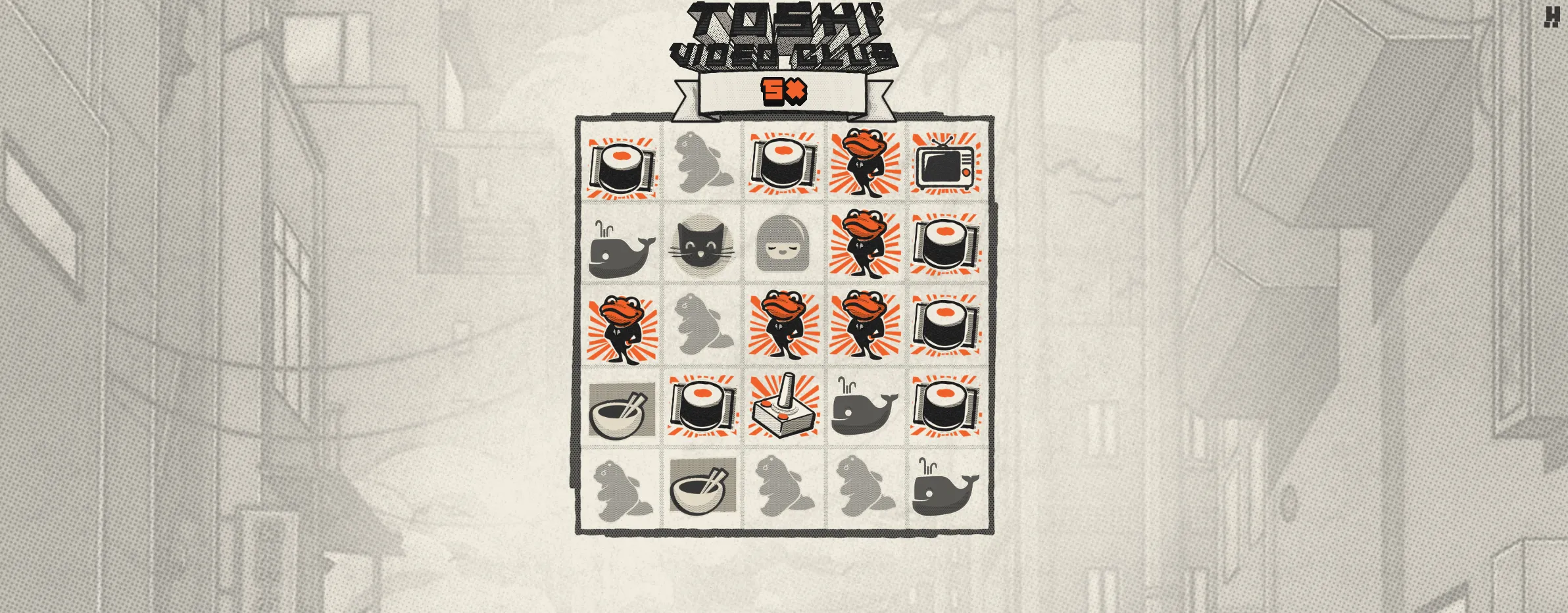
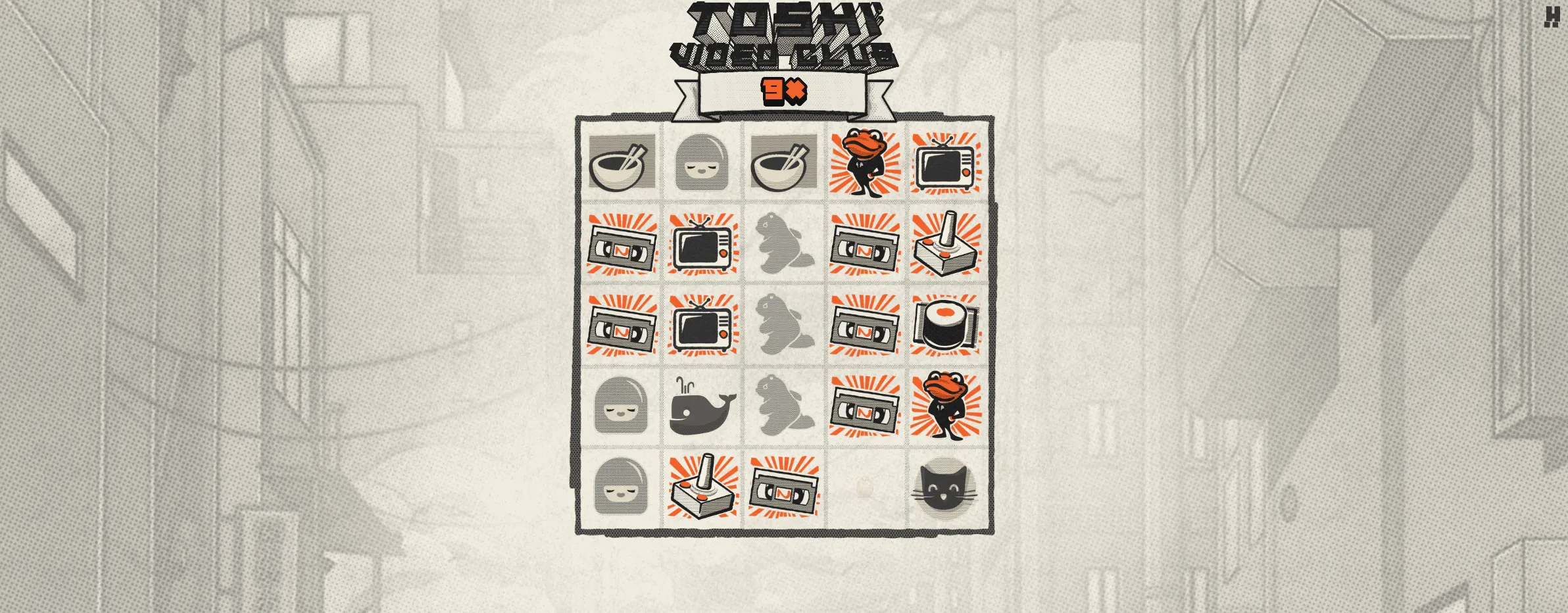
Five of a kind pays 5× the bet on all five low symbols, 10× on the video tape and the television, 15× on the joystick and the sushi, and 20× on the frog. Bottom to top, that is a factor of four. The wild's 40× is a 250th of the 10,000× cap. A single drop in which frogs fill all 15 lines pays 300×, 3% of the cap, and that is the most one board of regular symbols can pay before a cascade or a multiplier touches it.
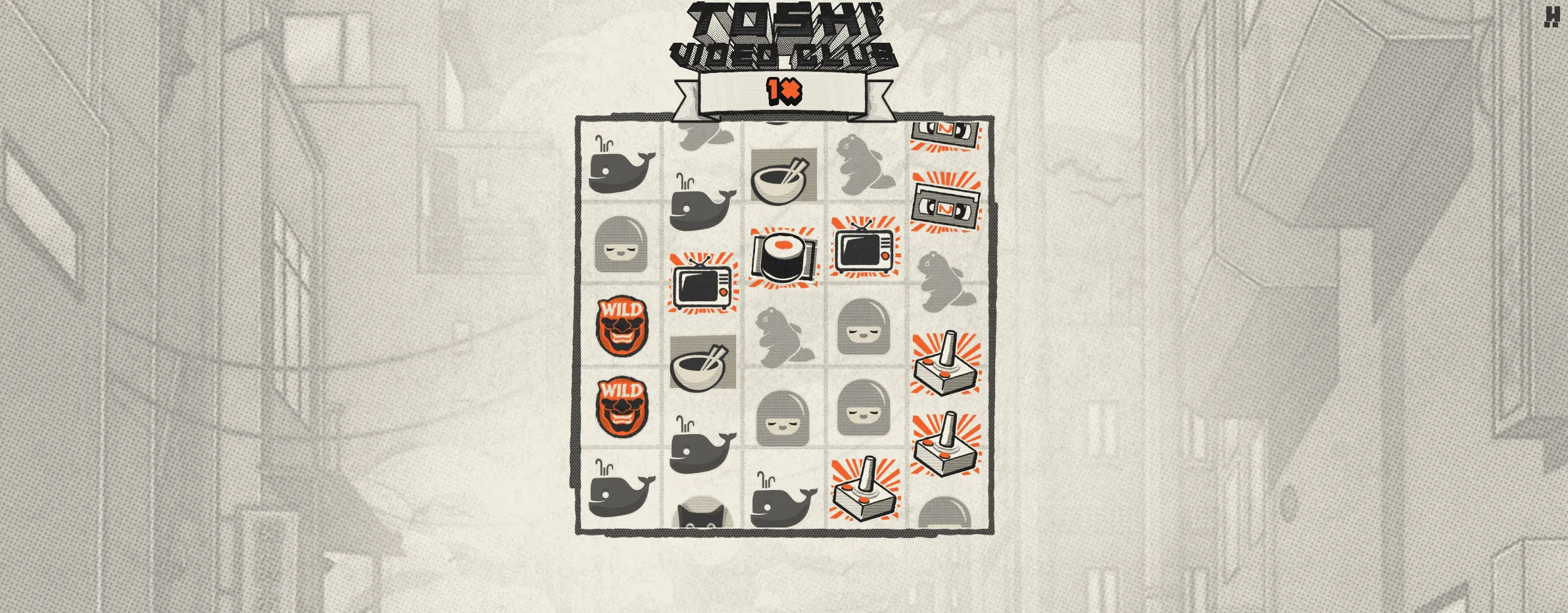
The base game loses even the wild's own line. Every line win runs across reels 1, 2 and 3, and in the base game the wild never lands on reel 2, so each base-game line needs a paying symbol there and five wilds cannot complete a line. The wild still substitutes on the other four reels. Its 40× is simply out of reach.
What the paytable does set is how far the figure has to travel. A five-frog line reaches 10,000× at a figure of 500. Five of a low symbol need 2,000. Five wilds need 250. On the five low symbols, the figure has a very long way to go.
The same Green Daruma is worth 4 or 404
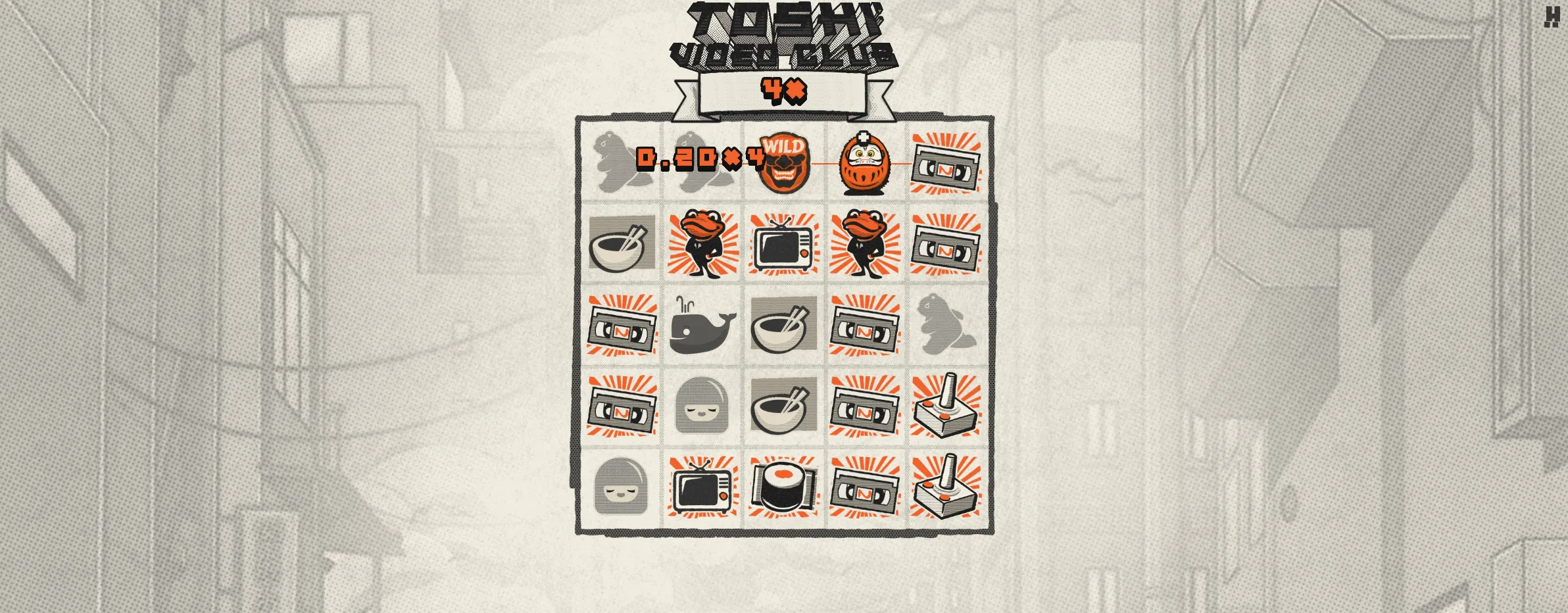
The four Darumas split into two jobs. Small, Medium and Big add between 1× and 100× to the figure, and the Green multiplies whatever is there by ×2 to ×5. Several on one board apply column by column from the top down, so the Green's value is entirely positional. First in the order, a ×5 Green lifts a figure of 1 to 5, a gain of 4. After a +100 Big, the same Green lifts 101 to 505, a gain of 404. The Big moves the other way: it is worth +500 ahead of the Green and +100 behind it. Nothing changes between those two boards except where the symbols sit.
This is the best decision in the game, because it gives every Daruma landing a real stake rather than a fixed increment. It also puts the cap inside the base game's arithmetic. Five frogs on one line with a +100 Big ahead of a ×5 Green works out at 20 × 505 = 10,100×, which the cap stops at 10,000×. So I do not treat the base game as a dead zone. It is thin for two other reasons. A Daruma reveals its value only on a spin that already has a winning line, so a Daruma on a losing spin does nothing. And the figure resets to 1 at the start of the next base-game spin, so whatever a paying spin builds is gone before the reels move again.
Ten free spins are too few for a figure that never falls
The free spins keep the order rule and drop the reset. Darumas build the figure for the rest of the round, and after each spin that spin's win is multiplied by the figure on display. Every Daruma adds a positive value or multiplies by at least ×2, so the figure never falls. This is the sustained idea the game is built on, and the length of the round works against it.
A Daruma on the first free spin multiplies ten spin wins, while the same Daruma on the tenth multiplies one. The Green wants the opposite timing, since it is worth most once the adding Darumas have built something, and by then fewer spins remain for the bigger figure to work on. The ideal round puts its adds on the first spins, its Greens straight after, and its paying lines after that, with the right column order on every board where two Darumas share the grid. The player steers none of it.
The cap sits much closer than 10,000× suggests. A figure of 505 is two Darumas in the right order, and at 505 a single five-frog line ends the round at the cap. Between that and a round that builds a big figure on its ninth spin and closes small lies the whole of this game's high volatility, and ten spins keep that gap wide.
One rule costs less than it sounds. A round that reaches 10,000× ends at once and discards its remaining free spins, but those spins could only have added to a win already at its ceiling. The discard takes nothing away.
The buy is fairly priced and buys no extra time
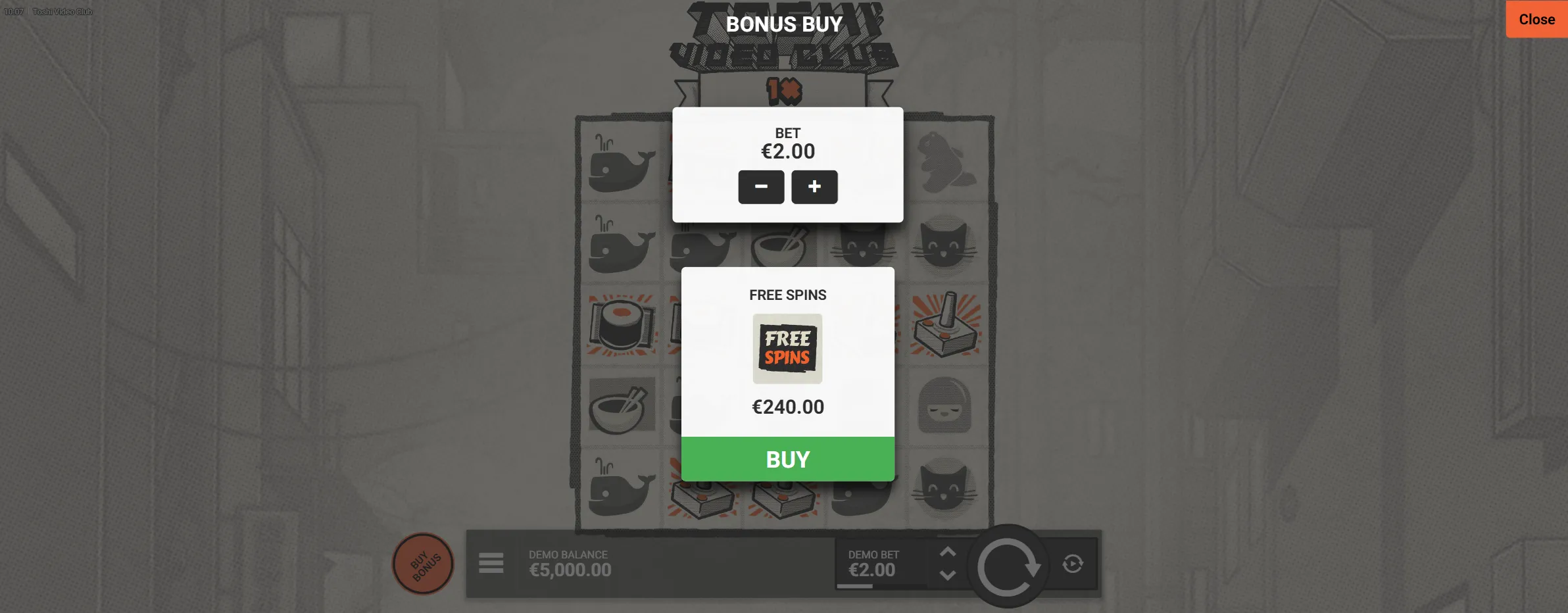
The Free Spins buy costs 120× the bet and returns 96.24%, against the game's 96.17%. That puts the expected return at 115.49× per buy and the expected cost at 4.51× the bet, while the same 120× staked on regular spins costs 4.60× in expectation. Per unit staked the buy is marginally the better use of the money, and its best case, the 10,000× cap, is 83.3 times its own price. I count that as fair.
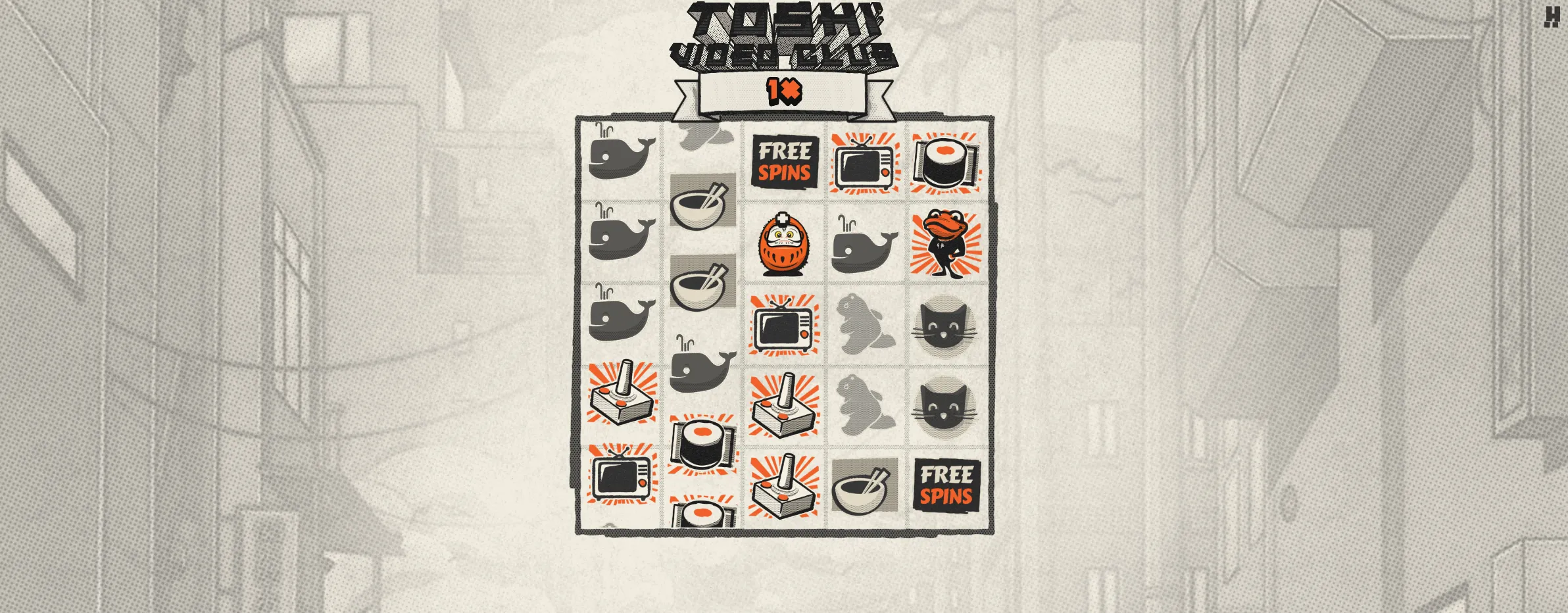
What 120× cannot buy is runway. The purchase delivers the same ten starting spins as a scatter trigger, and to return 115.49× those spins must average about 11.5× the bet each. With five of a kind worth 5× to 20× on the regular symbols, that average is the figure's work, which leaves a paid round with the same order-and-timing problem as a triggered one. The buy is not offered to UK players, so there the round comes only from three or more scatters.
The order rule is worth reading, and the frame is not
This suits a player who likes a persistent add-or-multiply figure and wants each Daruma landing to matter beyond its face value. Knowing that a Big ahead of a Green is worth two to five times a Big behind it turns every bonus board into something to read rather than merely watch. Anyone who wants base-game multipliers to carry forward, a paytable with weight of its own, or a bonus long enough for an early figure to work across many spins should look elsewhere, because none of those is on offer.
The order rule is the strong part and the frame around it is weak: flat line pays, a wild shut out of its own line in the base game, base-game Darumas that vanish at the next spin, and ten spins for a figure designed to compound. The result is a competent multiplier slot built from familiar parts, with one rule that earns attention and too little room to let it work.