Everything worth having sits on a top rung
Mystery Motel keeps its value at the top of two ladders and pays close to nothing on the rungs beneath them. Its wild multipliers pull furthest from plain addition when several 5× values share one win, and its wheel keeps its large cash faces on a third level two arrows from the start. Below those two summits the game runs on a paytable too small to matter by itself. I read it as two good ideas fitted to thin maths, and the buy menu widens the gap by pricing the round with the tallest multiplier ladder below the return of an ordinary spin.
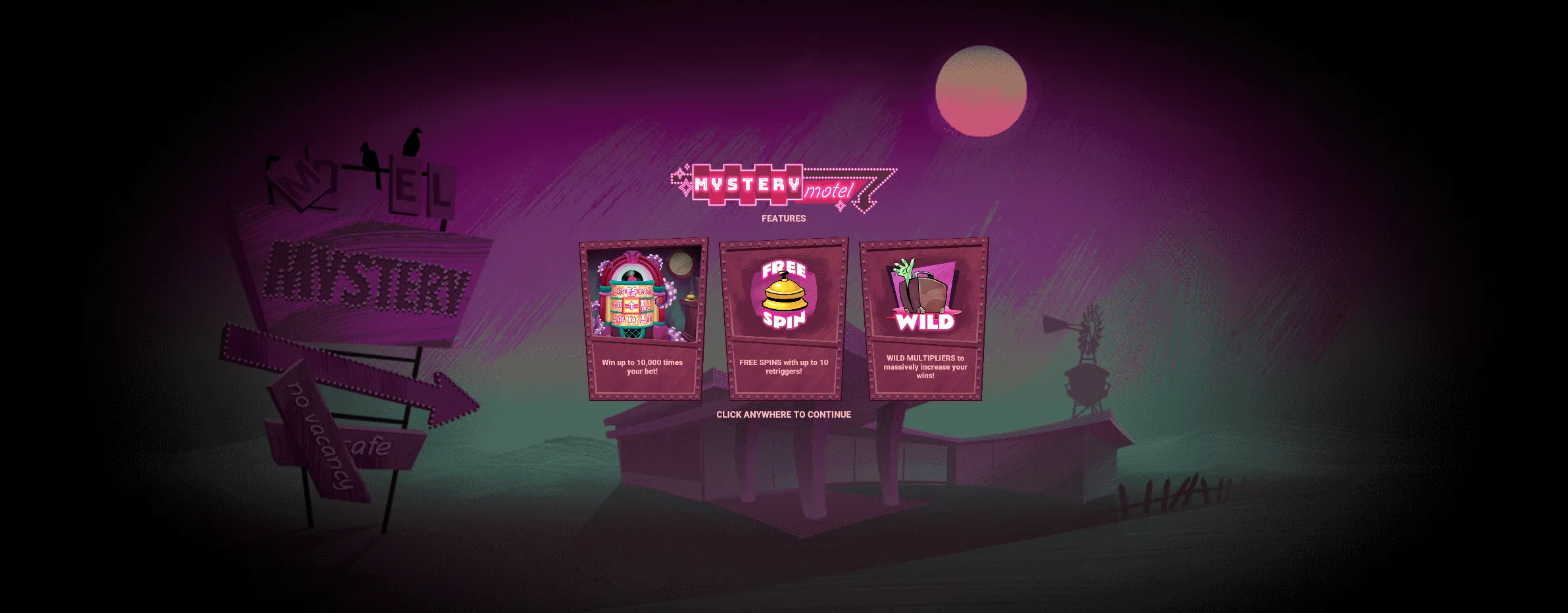
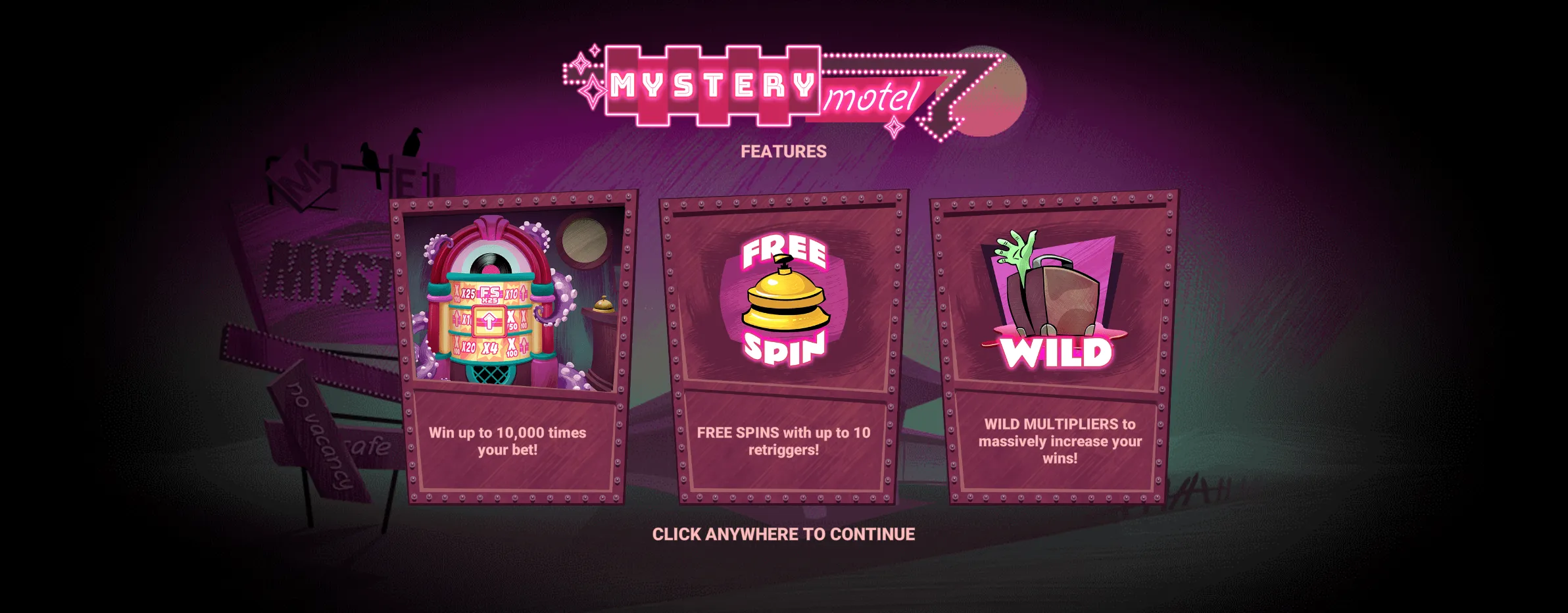
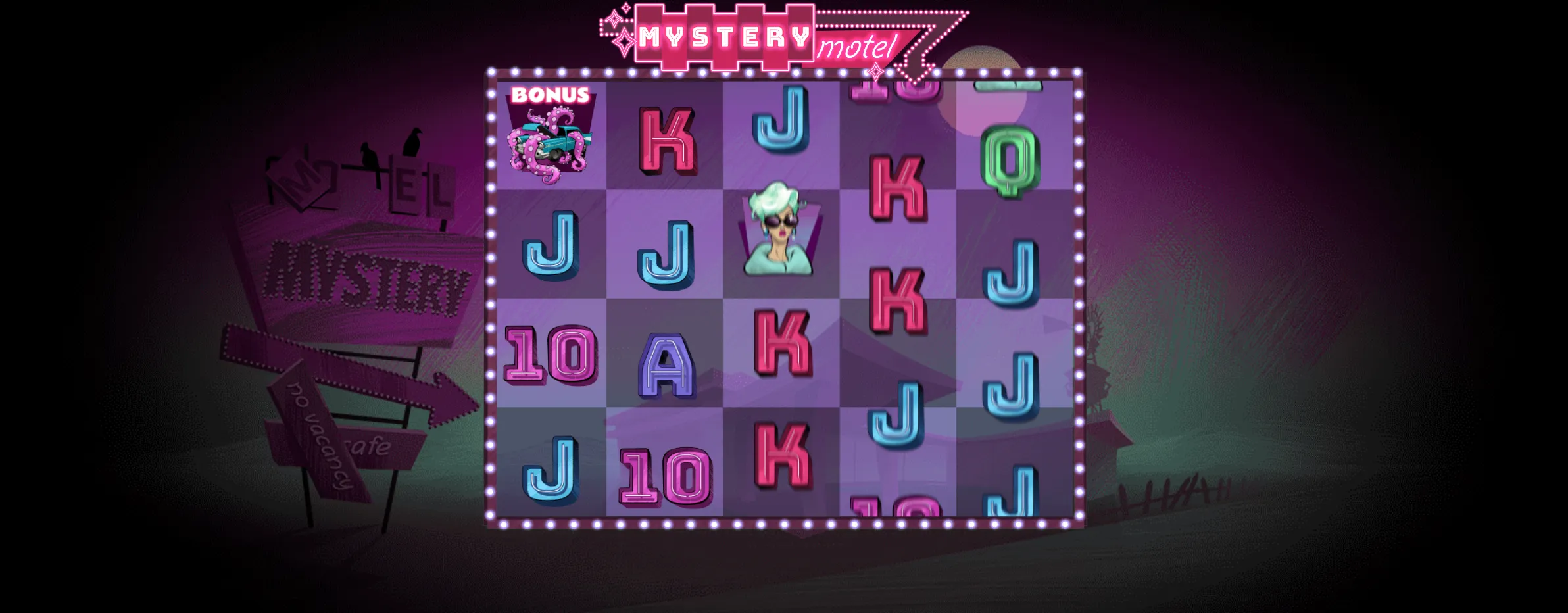
Each part has a relative elsewhere. Dork Unit runs the same wild-as-multiplier idea under the same 10,000× ceiling but adds its multipliers, where this game multiplies them. Better Barn House Bonanza climbs a tiered wheel through a promoting face, the escalation Mystery Motel stretches over three levels. Supreme Zeus shares the Hacksaw 5×4 grid and 1,024 ways and lets the scatter count choose the bonus. Here a bell and a car split that job, so the bell count only sets the length of the free-spin round. Of those differences, the switch from adding to multiplying is the one worth working through first.
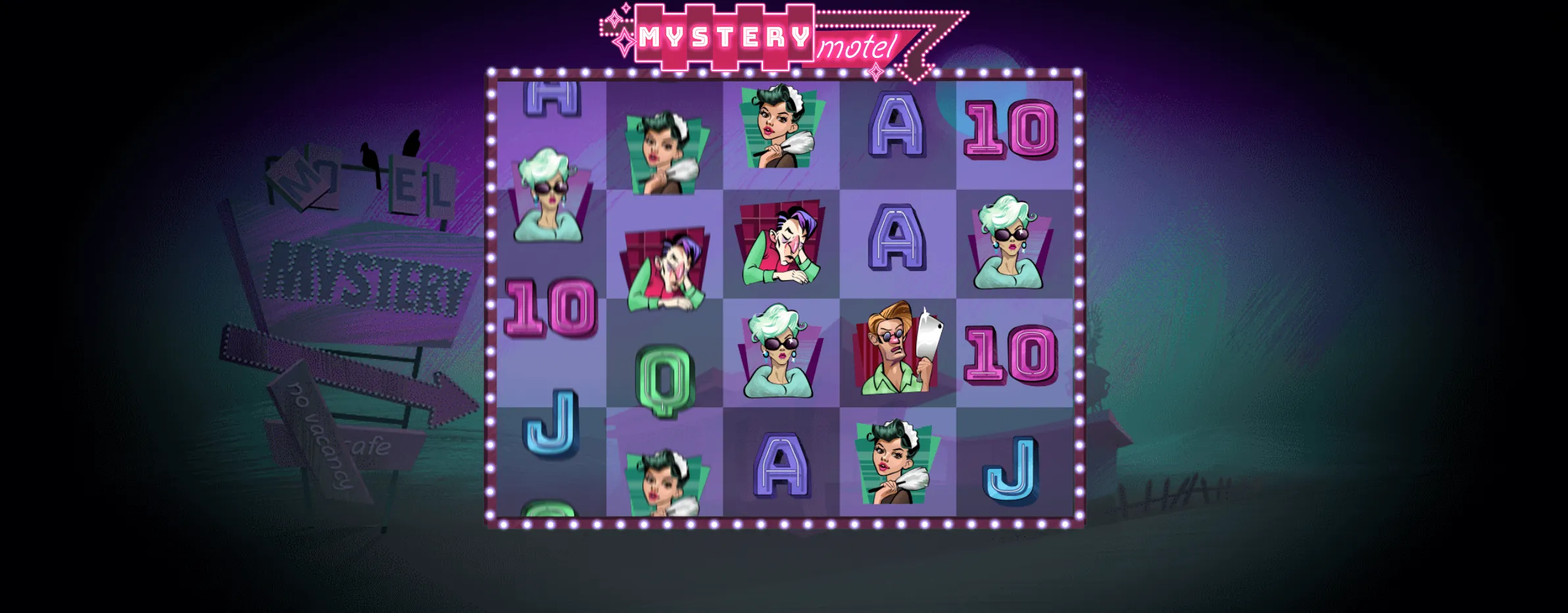
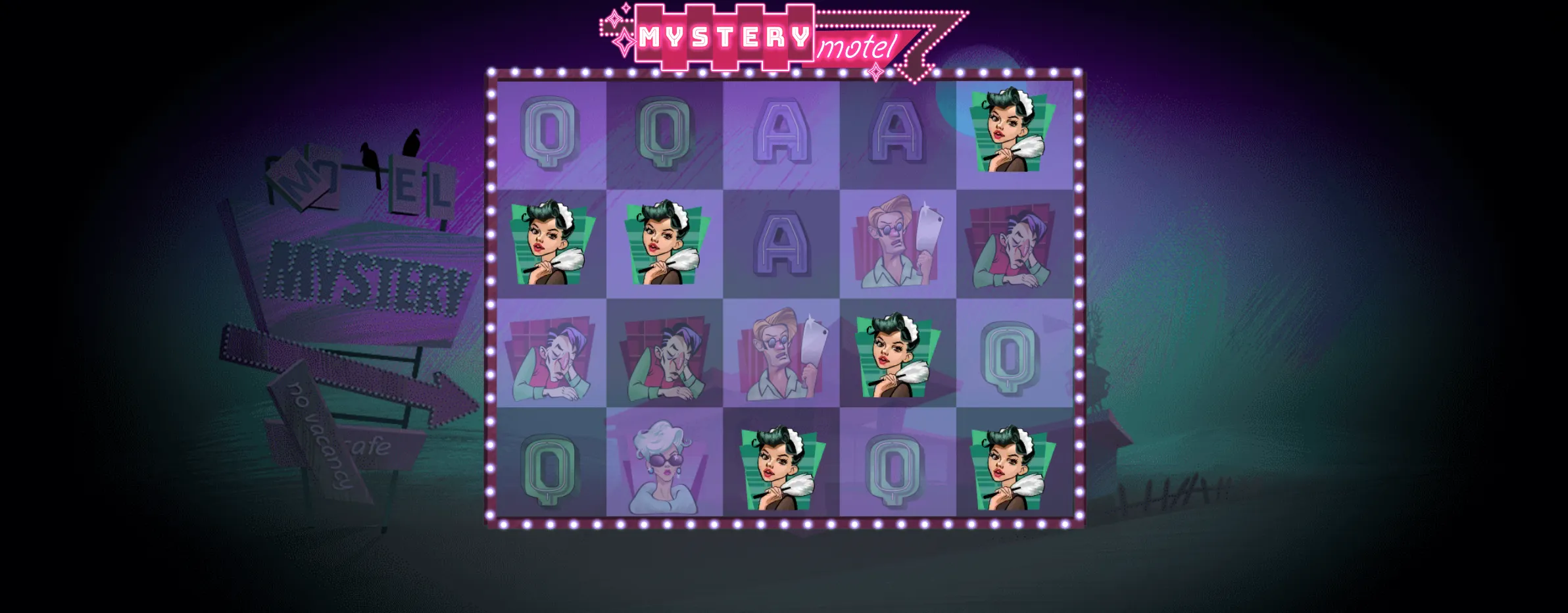
The thing being multiplied is small. I count five card symbols sharing 0.1×, 0.2× and 0.3× for three, four and five of a kind, two characters paying 0.5×, 1× and 2×, the dozing clerk reaching 5× and the woman in sunglasses 10×. No three-symbol way pays more than 1×, no card way reaches the stake without a wild, and characters fill only 25.5% of the base stops. A 30.75% hit rate means a paying round about once in every 3.25.
Multiplying pulls away as wilds stack, and only 5× wilds reach the top rung
For a pair of low wilds, the rule that separates this game from Dork Unit changes almost nothing. Two 2× wilds make 4× whether they are added or multiplied. A 2× and a 3× make 6× rather than 5×, and two 3× wilds make 9× rather than 6×. The gap grows with each wild a win holds: three 3× wilds already make 27× against 9×. At 5× it reaches the whole ladder: two make 25× against 10×, three make 125× against 15×, and four make 625× against 20×. Multiplication adds little to a pair of low wilds and transforms a stack of high ones, so this first ladder keeps its value on the top rung.
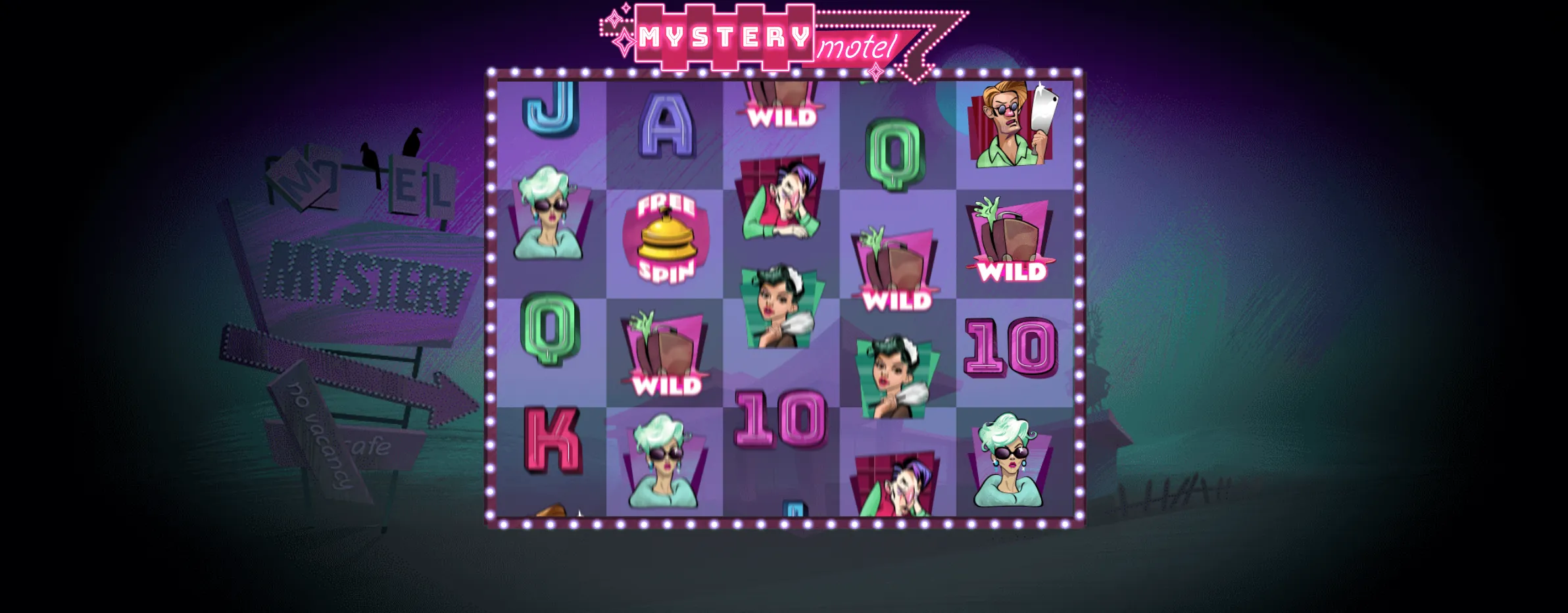
The base reels cut that ladder short. Wilds sit on reels two, four and five only, so a base way holds three at most and tops out at 125×. On the best base way, five of the woman in sunglasses, that makes 1,250×. On a five-card way it makes 37.5×, and a single 5× wild in the same card win pays 1.5×. Reel one holds no wild in either reel set, and every way starts there, so the symbol on reel one decides what a way can be worth before any multiplier touches it.
Free spins complete the ladder and then starve its first reel
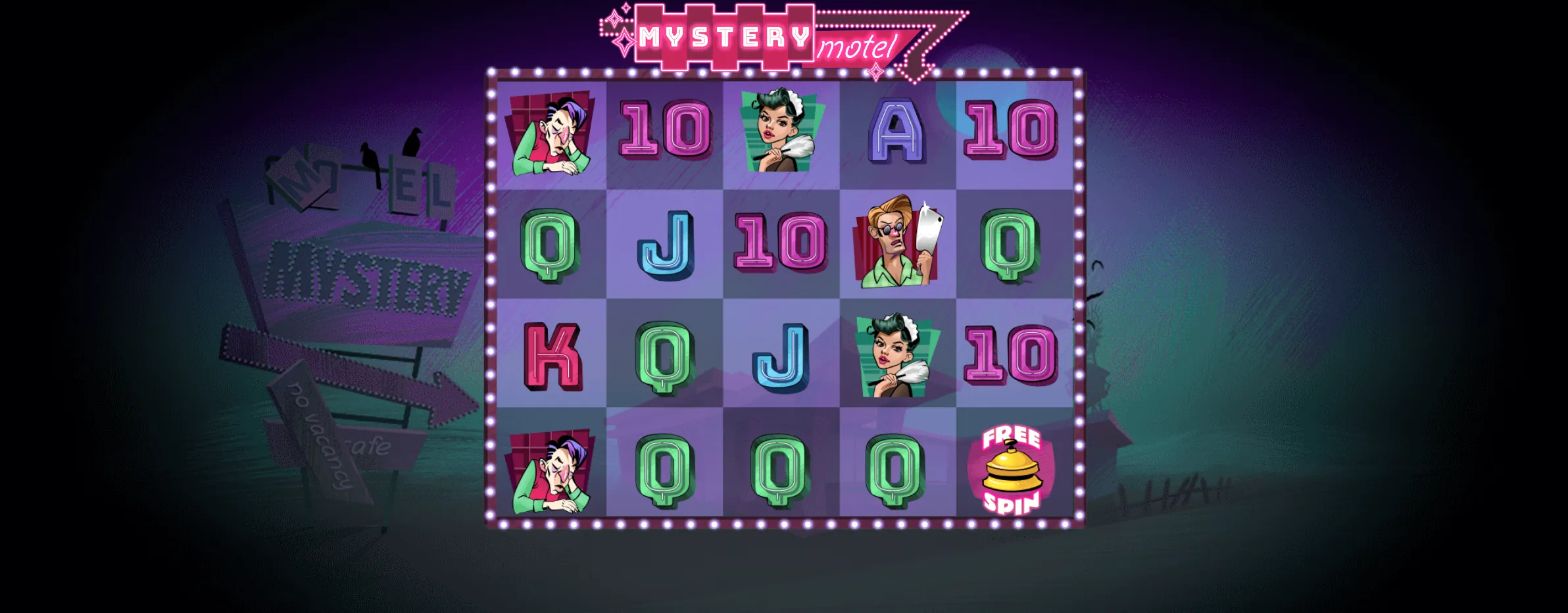
The free-spin round is the properly built part of the game. Its reel set adds a wild to reel three, the only way a win can hold four wilds, and removes the BONUS car so nothing interrupts it. Three or more bells inside the round add 5 spins up to ten times, so a bell-started round of 8, 12 or 20 spins can run to 58, 62 or 70, and a 25-spin face from the wheel can run to 75.
The completed ladder is narrow at the top. The free-spins strips hold two wilds on reel two, one on reel three, three on reel four and two on reel five, so the 625× ceiling depends on the scarcest wild in the round. Even at that ceiling, the best single way pays 10× times 625, or 6,250×, short of the 10,000× cap. A free-spin round reaches the cap only by adding wins across ways and spins.
Character symbols take 32.5% of the free-spins stops against 25.5% in the base game, yet reel one's share falls from 38.0% to 31.6%. Reel one has no wild and must supply the paying symbol of every way, so the extra characters go to reels a wild could cover anyway, while the reel that decides whether a way is premium gets fewer. That is a strange choice in a round whose best wins need a character on reel one, and it is the one flaw in otherwise sound construction.
The best-priced ticket opens on the harshest level
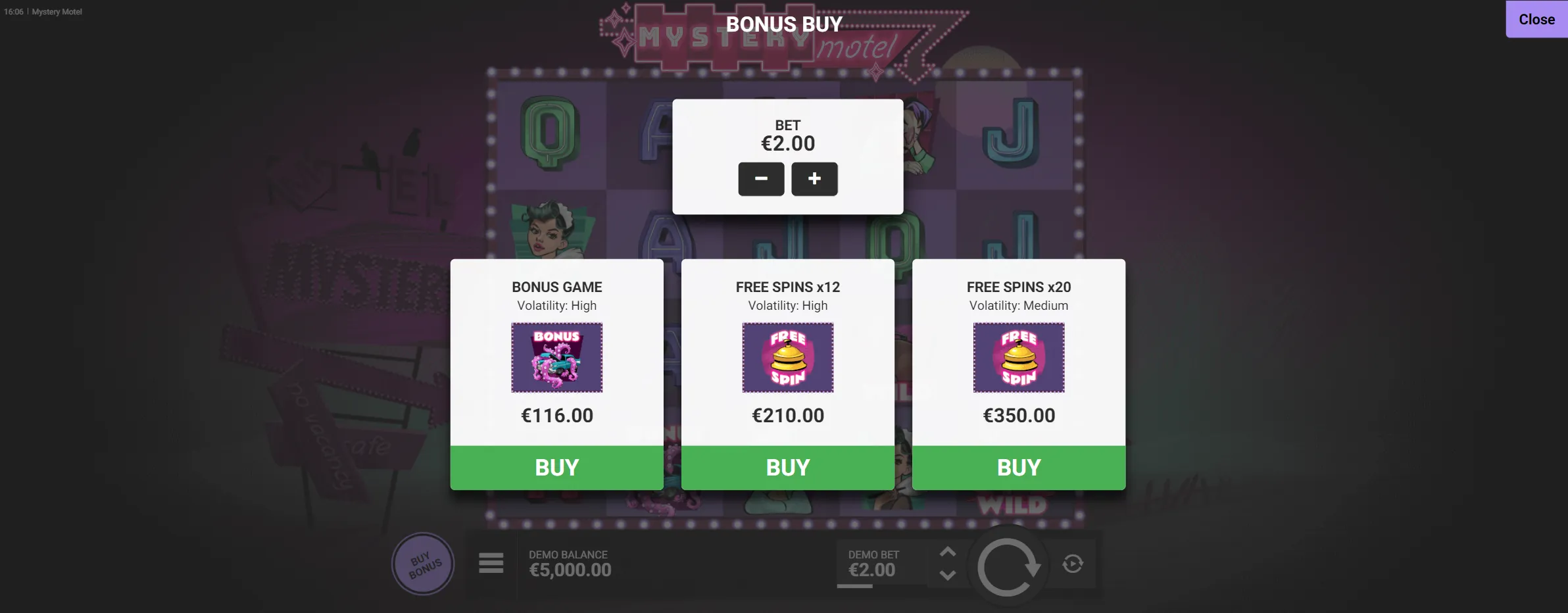
The 58× wheel ticket is the one fairly priced item on the menu. It returns 97.62%, 1.32 points above the base game, an average of 56.6× back on 58× against 55.9× for the same stake in base spins. Its best case is the 10,000× face, 172 times its own cost, and the wheel is the only place in the game where a single prize is worth the cap.
Face counts are not chances, since the RNG draws the stop, so I read the faces as the shape of each level rather than as odds. That shape is punishing at the bottom. Level one has fourteen faces: nine cash faces at 2×, 3× and 4×, three faces for 6 free spins and two arrows. The best cash face is 6.9% of the ticket, and six spins priced at the game's own 8.75× a spin are worth 52.5×. Nothing on level one except an arrow is worth what the ticket cost.
Level two is where the wheel turns. Its cash faces run from 10× to 100×, and only 75× and 100× clear 58×. Its spin faces award 10, 12 and 14 spins, worth 87.5×, 105× and 122.5× at the buy price, so every spin face on level two beats the ticket. A single arrow sits among them.
Level three's cash faces start at 250× and climb through 500×, 750× and 1,000× to the 10,000× face, beside spin faces for 16, 18, 20 and 25. That 25-spin face is longer than any bell trigger can award. With no arrow, level three settles the round. The second ladder, like the first, keeps its value on the top rung: the ticket that returns the most starts on the level with the smallest prizes.
Both free-spin tickets charge extra for the round worth buying
Twelve spins cost 105× and twenty cost 175×, the same 8.75× a spin. They return 96.13% and 96.19%, both under the 96.30% of spinning normally. In money the gap is small: an average of 100.9× back on the twelve-spin ticket against 101.1× from the same stake in base spins, and 168.3× against 168.5× on the twenty. The direction is what counts. A purchase that returns less than the game it skips has no pricing argument left, and these two sit beside a wheel ticket that returns more.
The fixed cap hurts them further. The cap is 95 times the twelve-spin price and 57 times the twenty-spin price, so the larger ticket buys eight more spins for 70× and 0.06 points of return while its best case shrinks against its cost. Beside the wheel ticket's 172, neither is competitive. The buys can also be switched off, so the menu is not always there.
This is a wheel ticket with a slot around it
The base game is a waiting room. It pays on 30.75% of rounds from a table of fractions, stops its multiplier ladder at 125×, and leaves the 1 in 4,750,000 odds of a 10,000× round entirely to the two features. The free-spin round is the better-built feature, and both direct routes into it cost too much: a ticket priced below the base return, or three bells through a base game with little to offer in between.
The game suits a player who wants the wheel itself, buys it at 58×, and accepts a first level where only an arrow is worth the price. For the multiplier wild alone, the multiplying rule matters only when several wilds share one way, and the base reels stop that at 125×, a thin distinction to choose a game by. The motel, the tentacled car and its four characters give Mystery Motel a stronger identity than its maths earns.